How to Make a Small Living Room Look Bigger: Complete Guide
Learn practical strategies to maximize your small living room space. Discover design techniques, furniture arrangements, and lighting solutions that create the illusion of a larger, more open environment.
Living in a small space doesn't mean sacrificing comfort or style. Many people struggle with compact living rooms, feeling cramped or limited in how they can arrange and decorate their space. The good news is that with the right design strategies and thoughtful planning, you can transform even the tiniest living room into a space that feels open, inviting, and surprisingly spacious. This guide explores practical, actionable techniques that help maximize your small living room's potential.
Understanding Space Perception and Design Principles
Before diving into specific techniques, it's important to understand how our brains perceive space. Interior designers leverage psychological principles and visual tricks to make rooms feel larger than they actually are. Color, light, proportion, and arrangement all play crucial roles in creating the illusion of expanded square footage. When you understand these foundational concepts, you can apply them strategically throughout your living room.
The key to making a small space feel bigger lies in reducing visual clutter, choosing appropriate colors, maximizing light, and selecting furniture that serves multiple purposes. These elements work together to create an environment that feels open and unconfined, even if the actual dimensions are modest.
Benefits and Limitations of Space-Expanding Techniques
Implementing space-expanding design strategies offers numerous advantages. These techniques can increase the perceived size of your room by 20-30%, improve functionality, enhance natural light, and create a more welcoming atmosphere. Additionally, many of these strategies are cost-effective and don't require major renovations.
However, there are some limitations to consider. The illusion of space has boundaries—no design trick can truly add square footage. Some techniques may not suit every personal style preference, and certain strategies work better with specific room shapes or natural lighting conditions. Understanding both the benefits and constraints helps you choose approaches that align with your specific situation.
Color Strategies for Expanding Visual Space
Color is one of the most powerful tools for manipulating space perception. Light, neutral colors like white, cream, soft gray, and pale blue reflect light and create an airy feeling. These colors make walls appear to recede, expanding the visual space. Painting your walls in light neutral tones is often the first step in making a small room feel larger.
Beyond wall color, consider your ceiling color as well. Painting ceilings in white or very light colors makes them appear higher, which increases the sense of vertical space. Conversely, dark colors absorb light and make spaces feel more confined, so they're best used sparingly in small rooms—perhaps as an accent wall or in smaller doses through accessories.
Furniture Selection and Arrangement
Choosing appropriately scaled furniture is critical in small living rooms. Oversized sofas and bulky pieces overwhelm compact spaces and make them feel cramped. Instead, opt for furniture with exposed legs, which allows sight lines to continue under and around pieces, making the room feel more open. Floating furniture away from walls can paradoxically make rooms feel larger by creating visual flow.
Multifunctional furniture maximizes utility without adding bulk. Storage ottomans, nesting tables, and sofa beds serve multiple purposes while maintaining a streamlined appearance. Vertical storage solutions, such as tall bookcases and wall-mounted shelving, draw the eye upward and utilize often-wasted vertical space.
Lighting and Mirror Strategies
Light is fundamental to space perception. Maximize natural light by keeping windows unobstructed and using sheer curtains that allow light to filter through. Layer artificial lighting with floor lamps, table lamps, and wall sconces to eliminate dark corners and shadows that make spaces feel smaller.
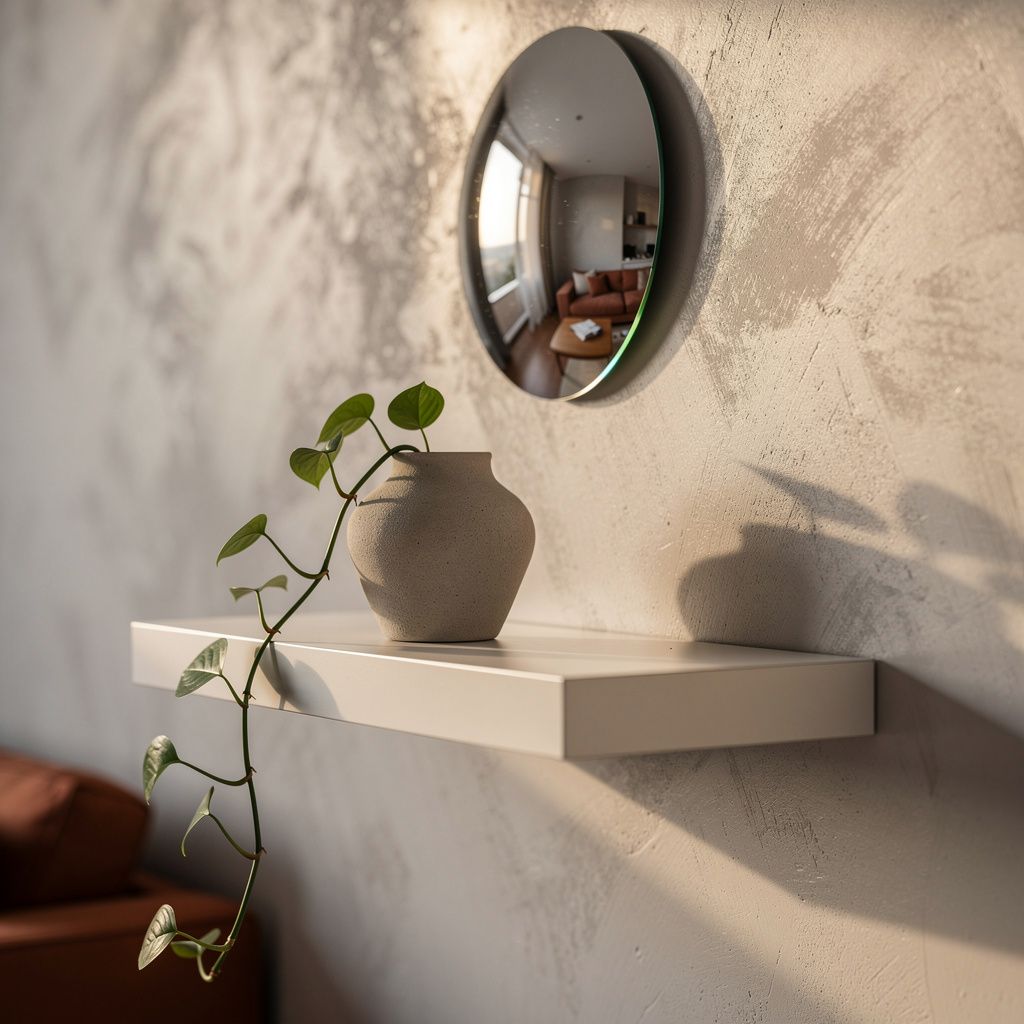
Mirrors are exceptionally effective space-expanding tools. They reflect light and create the illusion of depth by bouncing visual elements around the room. A large mirror opposite a window amplifies natural light and creates a sense of extended space. Multiple smaller mirrors can also work well when strategically placed to reflect light and interesting room elements.
Minimizing Visual Clutter
Clutter is the enemy of spacious-feeling rooms. Every visible item competes for visual attention and makes a space feel crowded. Implement smart storage solutions to keep belongings organized and out of sight. Use closed storage for items you don't need to display, and be intentional about what you keep visible.
Decorative items should be carefully curated. Instead of many small decorations, choose a few meaningful pieces that you truly love. This approach reduces visual noise and creates a more sophisticated, open-feeling environment.
Window Treatments and Textiles
Window treatments significantly impact how spacious a room feels. Heavy, dark curtains make windows appear smaller and rooms feel more confined. Instead, choose light-colored, sheer curtains or simple roller shades that don't take up much visual real estate. Mounting curtain rods near the ceiling and extending them beyond the window frame makes windows appear larger and ceilings appear higher.
Textiles like area rugs, throw pillows, and blankets add warmth and comfort but can also create visual boundaries. Using a larger area rug that extends under furniture helps define the space while maintaining openness. Keeping textile colors coordinated with your overall color scheme prevents visual fragmentation.
Vertical Space Utilization
Small living rooms often have unused vertical space. Floor-to-ceiling bookcases, wall-mounted shelving, and tall storage units draw the eye upward, making ceilings appear higher and rooms feel more spacious. This vertical emphasis creates a sense of expanded volume without consuming additional floor space.
Wall-mounted entertainment systems, floating desks, and hanging storage solutions all contribute to this upward visual flow. By utilizing walls creatively, you free up floor space and create a more open, less cluttered environment.
Practical Implementation Checklist
- Paint walls and ceiling in light, neutral colors
- Select furniture with exposed legs and appropriate scale
- Add a large mirror opposite natural light sources
- Layer lighting with multiple light sources
- Implement closed storage solutions for clutter
- Choose light-colored, simple window treatments
- Utilize vertical space with tall furniture and wall storage
- Keep decorative items minimal and intentional
- Use area rugs to define space without dividing it
- Maintain consistent color schemes throughout
Comparison of Space-Expanding Techniques
| Technique | Effectiveness | Cost | Implementation Time |
|---|---|---|---|
| Light neutral paint | High | Low | 1-2 days |
| Large mirrors | High | Low to Medium | Same day |
| Appropriately scaled furniture | High | Medium to High | Varies |
| Improved lighting | Medium-High | Low to Medium | Same day |
| Vertical storage | Medium-High | Medium | 1-2 days |
| Window treatment updates | Medium | Low to Medium | Same day |
Frequently Asked Questions
What color makes a room look the biggest?
White and very light neutral colors like soft gray, cream, and pale blue are most effective at making rooms appear larger. These colors reflect light and create an airy, open feeling. However, you don't need to paint everything white—using light neutrals as your base with strategic accent colors works well too.
Can mirrors really make a room feel larger?
Yes, mirrors are highly effective. They reflect light and create the illusion of depth, making spaces feel more expansive. A large mirror placed opposite a window maximizes this effect by amplifying natural light and reflecting room elements, effectively doubling the visual perception of space.
What furniture works best in small living rooms?
Furniture with exposed legs, appropriately scaled pieces, and multifunctional designs work best. Look for sofas and chairs that don't overwhelm the space, storage ottomans that serve dual purposes, and nesting tables that can be expanded or tucked away as needed.
How important is lighting in making a space feel bigger?
Lighting is crucial. Dark corners and shadows make spaces feel smaller and more confined. Maximizing natural light and layering artificial lighting with multiple sources eliminates dark areas and creates an open, airy atmosphere that feels more spacious.
Should I use dark colors in a small living room?
Dark colors absorb light and can make small spaces feel more confined. While you can use dark colors strategically as accents, keeping your primary wall colors light and neutral is recommended. Dark accent walls can work if they're just one wall and paired with plenty of light elsewhere.
How can I add storage without making the room feel cluttered?
Use closed storage solutions like cabinets, storage benches, and ottomans that hide items from view. Wall-mounted shelving and vertical storage draw the eye upward without consuming floor space. The key is keeping surfaces clear and storing items out of sight.
Conclusion
Transforming a small living room into a space that feels open and inviting is entirely achievable with the right strategies. By understanding how color, light, furniture selection, and spatial arrangement influence perception, you can create an environment that feels significantly larger than its actual square footage. Start with foundational changes like painting walls in light neutral colors and adding strategic mirrors, then layer in furniture adjustments and storage solutions that work for your specific space and lifestyle.
Remember that making a small room feel bigger isn't about expensive renovations or dramatic changes. Often, the most effective strategies are simple, cost-effective adjustments that leverage design principles to manipulate visual perception. Whether you implement all these techniques or select a few that resonate most with your situation, you'll likely notice a meaningful difference in how spacious and comfortable your small living room feels. The combination of thoughtful planning, strategic design choices, and intentional curation creates a living space that maximizes both functionality and the perception of space.