Wellness & Spa Retreat Packages: Explore Retreat Types, Treatments and Travel Options
Wellness & spa retreat packages bring together accommodation, relaxation activities, personal wellness practices, spa treatments, food arrangements, and recreational activities within a planned retreat experience.
They are commonly associated with resorts, wellness centers, hotels, yoga retreats, nature destinations, and specialized health-oriented facilities. The structure can range from a short weekend program to a longer stay built around relaxation, mindfulness, movement, nutrition, or personal routines.
The idea behind these retreats is to provide a setting where people can step away from ordinary routines and participate in organized wellness activities. A package may include several elements, but the exact contents vary considerably between destinations and providers. Understanding the different components helps travelers compare arrangements according to their own needs and expectations.
Context
What Are Wellness & Spa Retreat Packages?
Wellness & spa retreat packages are planned combinations of accommodation and wellness-related activities. They may include spa treatments, yoga, meditation, fitness sessions, guided relaxation, healthy meals, nature activities, or educational workshops.
Some retreats focus mainly on relaxation, while others have a more structured schedule. Programs may be designed around themes such as mindfulness, movement, sleep routines, nutrition education, stress management, or general lifestyle awareness.
A typical package may contain:
Accommodation for a specified number of nights
Spa treatments such as massage or body treatments
Yoga, stretching, or movement sessions
Meditation or breathing activities
Meals or nutrition-focused menus
Guided nature walks
Relaxation areas
Wellness workshops
Scheduled leisure periods
Not every retreat includes all of these elements. Travelers should examine the specific program description to understand what is included and what requires separate arrangements.
Development of Wellness Retreats
Wellness retreats have roots in traditional bathing cultures, meditation practices, yoga traditions, nature-based recreation, and organized health resorts. Different regions developed their own approaches to bathing, body treatments, movement, and relaxation.
Contemporary wellness retreats combine some of these traditions with modern hospitality and organized programming. Destinations in countries such as India, Thailand, Japan, Indonesia, and several European regions have developed different forms of spa and wellness tourism.
Types of Retreat Packages
Wellness & spa retreat packages can be grouped according to their main focus and schedule.
Common formats include:
Spa retreats centered on massage, bathing, relaxation, and body treatments
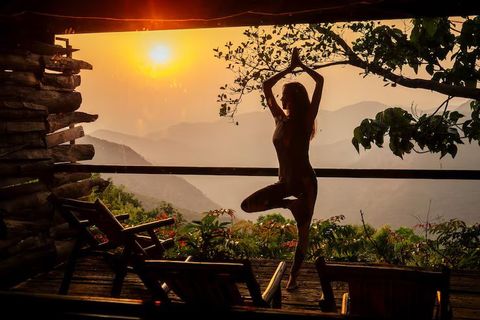
Yoga retreats built around yoga classes, meditation, and mindful movement
Nature retreats combining wellness activities with outdoor experiences
Mindfulness retreats focused on meditation, breathing, and quiet routines
Fitness retreats involving structured physical activity
Holistic wellness retreats combining several lifestyle practices
Weekend retreats designed around shorter stays
Longer residential retreats with more extensive schedules
The boundaries between these categories can overlap. A single retreat may combine spa treatments, yoga, nutrition activities, and nature experiences.
Importance
Time Away From Routine
Modern daily routines can involve work, commuting, family responsibilities, digital communication, and other demands. A structured retreat creates a temporary environment in which participants can focus on relaxation and personal routines.
The value of a retreat can differ from person to person. Some people may prefer quiet surroundings, while others may prefer physical activities, educational sessions, or social programs.
Physical Relaxation
Spa environments commonly use techniques such as massage, warm-water bathing, steam rooms, saunas, and body treatments. These activities are generally intended for relaxation and personal comfort.
Spa treatments should not be confused with medical treatment. People with medical conditions, pregnancy-related considerations, injuries, allergies, or other health concerns may need guidance from an appropriate healthcare professional before participating in particular activities.
Mental and Emotional Well-Being
Many wellness retreats include meditation, breathing exercises, gentle movement, journaling, or periods without scheduled activities. These practices are often used as tools for relaxation and self-reflection.
Claims that a retreat can diagnose, treat, or cure a medical condition should be viewed carefully. Wellness programs are generally not substitutes for professional medical or psychological care.
Travel and Wellness Planning
Wellness tourism combines travel with activities related to personal well-being. Destination selection can therefore involve more than accommodation.
Important planning factors may include:
Program schedule
Accommodation type
Dietary arrangements
Activity intensity
Spa treatment format
Transportation
Climate
Accessibility
Cancellation conditions
Medical or health considerations
The following table illustrates common retreat formats.
| Retreat type | Typical focus | Common activities | Typical duration |
|---|---|---|---|
| Spa retreat | Relaxation | Massage, bathing, body treatments | Short to medium |
| Yoga retreat | Movement and mindfulness | Yoga, breathing, meditation | Short to medium |
| Nature retreat | Outdoor relaxation | Walking, nature activities, quiet time | Short to medium |
| Mindfulness retreat | Mental relaxation | Meditation, reflection, breathing | Short to long |
| Fitness retreat | Physical activity | Exercise, stretching, movement | Short to medium |
| Holistic retreat | Multiple wellness areas | Mixed wellness activities | Medium to long |
These descriptions are general, and individual programs can differ substantially.
Food and Nutrition
Some retreats include planned meals based on particular dietary patterns. Menus may emphasize fruits, vegetables, grains, legumes, or other ingredients depending on the retreat's approach.
People with allergies, food intolerances, religious dietary requirements, or medically prescribed diets should communicate these needs before arrival. A wellness retreat menu should not automatically be interpreted as a medically supervised nutrition program.
Recent Updates
Personalized Wellness Programs
Recent wellness tourism trends increasingly involve flexible schedules and personalized activities. Rather than following one fixed routine, some retreats allow participants to select from several classes, treatments, outdoor activities, or quiet periods.
Digital registration systems can also collect preferences before arrival, helping organize schedules and dietary information.
Digital Wellness Tools
Mobile applications and wearable devices are increasingly used alongside retreat programs. Depending on the program, participants may track sleep patterns, physical activity, meditation sessions, or daily routines.
These technologies can provide personal information, but measurements from consumer devices are not equivalent to clinical assessments. Privacy policies and data-handling practices are therefore relevant considerations.
Nature-Based Experiences
Nature-focused wellness programs have become more visible as travelers seek activities involving forests, mountains, beaches, gardens, and other outdoor environments. Programs may include walking, guided observation, outdoor meditation, or low-intensity movement.
Environmental conditions remain important. Weather, terrain, insects, local wildlife, and seasonal changes can affect outdoor activities.
Sustainability and Resource Management
Wellness facilities are also paying greater attention to water use, energy consumption, waste management, locally sourced ingredients, and environmentally responsible operations.
Spa facilities can have significant water and energy requirements because of pools, showers, steam rooms, saunas, laundry, and heating systems. Resource-management practices therefore form part of broader facility planning.
Hybrid and Shorter Programs
Short wellness programs have become more common alongside longer residential retreats. Weekend programs and day-based activities can provide alternatives for travelers who cannot spend extended periods away from home.
Some facilities also incorporate virtual meditation, fitness instruction, or wellness education before and after an in-person retreat. The structure varies by provider and program.
Laws or Policies
Tourism and Hospitality Requirements in India
In India, wellness and spa retreats operate within broader tourism, hospitality, public-health, consumer-protection, labor, and local regulatory frameworks. Requirements can differ by state, municipality, property type, and the activities conducted at the facility.
Accommodation establishments may need to follow applicable local registration, fire-safety, building, sanitation, and operational requirements.
Spa and Wellness Activities
Spa treatments can involve massage, hydrotherapy, heat rooms, bathing facilities, cosmetics, oils, and other products. Facilities need to consider applicable hygiene and safety requirements for the activities they conduct.
Where a facility provides medical or clinical procedures rather than general wellness activities, additional healthcare regulations may apply. The distinction between hospitality-based wellness activities and medical care is therefore important.
Food Safety
Retreats that prepare and serve food must follow applicable food-safety requirements. In India, the Food Safety and Standards Authority of India (FSSAI) establishes the national framework for food safety.
Food handling, storage, preparation, drinking water, kitchen hygiene, and labeling requirements may apply according to the facility and food activities.
Consumer and Booking Information
Accommodation and retreat arrangements can involve advance reservations and written terms covering dates, inclusions, cancellation rules, room arrangements, and activity schedules.
The Consumer Protection Act, 2019 provides a broader consumer-protection framework in India. Specific rights and obligations depend on the transaction and circumstances.
Health and Safety Considerations
Facilities with swimming pools, saunas, steam rooms, fitness areas, or outdoor activities need appropriate safety procedures. Emergency planning, equipment maintenance, hygiene, ventilation, and staff training can be relevant depending on the facility.
Guests should also disclose relevant health considerations when an activity requires particular physical participation.
Tools and Resources
Retreat Planning Checklists
A planning checklist can help organize information before a wellness trip. Useful categories include accommodation, transportation, scheduled activities, dietary requirements, personal items, and emergency contacts.
Travelers may also keep a copy of reservation details, identification documents, travel insurance information, and relevant medical information where appropriate.
Wellness Schedule Planners
Digital calendars and spreadsheets can help organize daily retreat activities. A simple schedule may record:
Activity name
Start and end time
Location
Intensity level
Preparation requirements
Personal notes
Rest periods
Leaving unscheduled time can also be useful because retreat programs may contain several activities in one day.
Travel and Government Resources
Useful sources include official tourism websites, airport and transportation authorities, FSSAI information, local government websites, and destination-specific public-health guidance.
For international wellness travel, travelers can also consult the destination country's official immigration, tourism, and health information portals.
Personal Wellness Records
Individuals who already follow a structured fitness, nutrition, or healthcare routine may maintain personal records of medications, allergies, dietary restrictions, activity limitations, and emergency contacts.
Such records can help communicate relevant information to retreat staff when appropriate. They should not replace professional medical documentation when that is required.
FAQs
What are wellness & spa retreat packages?
Wellness & spa retreat packages are organized travel arrangements combining accommodation with activities such as spa treatments, yoga, meditation, fitness, nature activities, or nutrition-focused meals. The exact contents vary by program.
What is usually included in wellness & spa retreat packages?
A package may include accommodation, selected spa treatments, scheduled classes, meals, recreational activities, or transportation arrangements. Travelers should check the specific package description because inclusions differ between programs.
Are wellness retreats suitable for everyone?
Not necessarily. Physical activities, heat treatments, massage, dietary programs, and other activities may not be appropriate for every person. Individuals with medical concerns should seek suitable professional guidance before participating in activities that may affect their health.
How long do wellness & spa retreat packages usually last?
Programs can range from a single day or weekend to several weeks. Duration depends on the retreat format, location, schedule, and activities included.
What should I check before choosing a wellness retreat?
Important information includes the daily schedule, accommodation, activity intensity, food arrangements, spa treatments, accessibility, transportation, cancellation terms, safety arrangements, and any health-related limitations.
Conclusion
Wellness & spa retreat packages combine accommodation with activities designed around relaxation, movement, mindfulness, recreation, and personal wellness routines. Programs vary widely, from short spa-focused stays to longer retreats involving yoga, nature activities, nutrition education, and structured schedules. Recent developments include personalized programs, digital wellness tools, nature-based activities, sustainability measures, and shorter retreat formats. In India, applicable tourism, food-safety, consumer-protection, building, hygiene, and workplace requirements depend on the facility and activities provided.