The Ultimate Guide to Laser Skin Treatment
Explore laser skin treatment options, benefits, and how this technology works to improve skin appearance and address common concerns effectively.
Laser skin treatment represents a significant advancement in dermatological technology, offering individuals a way to address various skin concerns with precision and effectiveness. Whether you're looking to reduce the appearance of wrinkles, eliminate age spots, improve skin texture, or treat acne scars, laser treatments provide targeted solutions that have gained widespread acceptance in the cosmetic and medical fields. Understanding how these treatments work, what options are available, and how to prepare for the procedure can help you make an informed decision about your skin care journey.
Understanding Laser Skin Treatment Technology
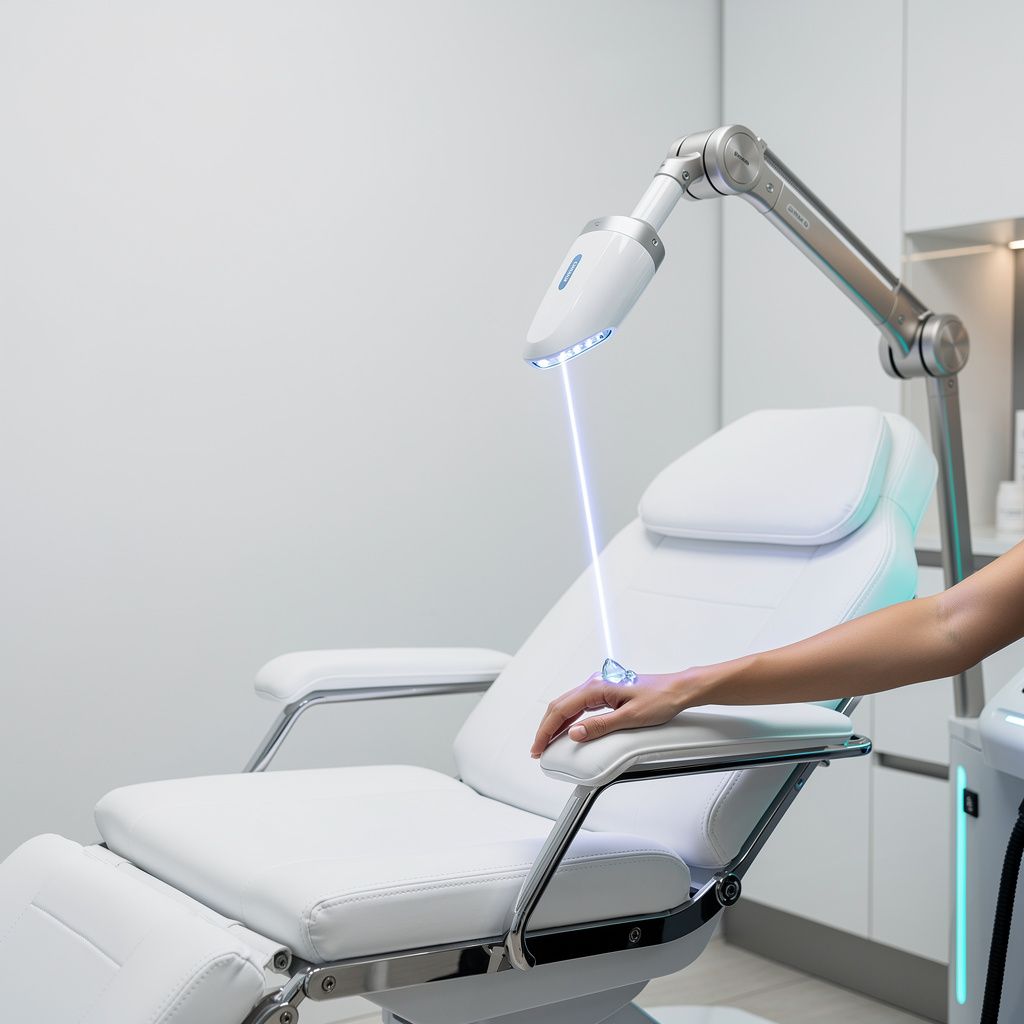
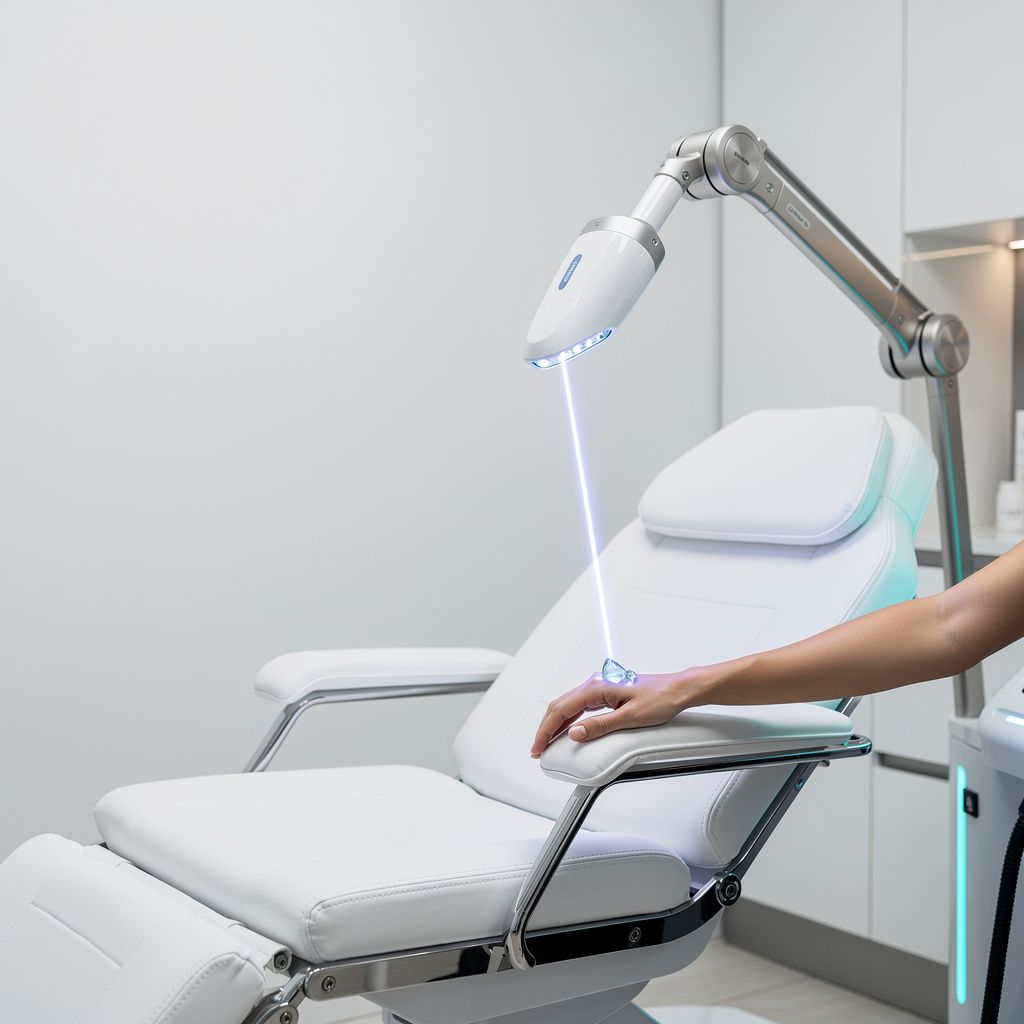
Laser skin treatment works by using concentrated beams of light to target specific layers of skin. The laser energy heats and removes damaged skin cells while stimulating the production of collagen, a protein that provides structure and elasticity to the skin. Different wavelengths of laser light penetrate to different depths, allowing dermatologists to customize treatments based on individual skin concerns and types. The precision of laser technology means that surrounding healthy tissue remains largely unaffected, making these treatments safer and more effective than many traditional methods.
The process involves the laser emitting pulses of light that are absorbed by pigment in the skin or by water in the skin cells. This absorption causes the targeted area to heat up, which either destroys the unwanted tissue or stimulates the body's natural healing response. The skin's natural healing process then works to repair the treated area, resulting in improved texture, tone, and appearance over time.
Benefits and Limitations of Laser Skin Treatment
Laser skin treatments offer numerous advantages for individuals seeking to improve their skin appearance. The precision of laser technology allows for targeted treatment of specific concerns without affecting surrounding areas. Most laser treatments require minimal downtime, allowing individuals to return to their daily activities relatively quickly. Results are often visible within a few weeks, with continued improvement over several months as collagen remodeling occurs. Additionally, laser treatments can be customized to suit different skin types and concerns, making them a versatile option for many people.
However, it's important to understand the limitations of laser skin treatment. Results vary depending on individual skin type, age, and the specific concern being addressed. Some people may require multiple sessions to achieve desired results. Certain skin types may be more prone to complications, and laser treatments are generally not recommended for very dark skin tones without careful consideration and appropriate laser selection. Recovery can include temporary redness, swelling, or sensitivity to sunlight, and following post-treatment care instructions is essential for optimal results.
Types of Laser Skin Treatments
Several different types of laser treatments are available, each designed to address specific skin concerns:
- Ablative Lasers: These remove the outer layer of skin and are effective for deeper wrinkles and scars but require longer recovery time.
- Non-Ablative Lasers: These work beneath the skin surface without removing the outer layer, offering faster recovery with more subtle results.
- Fractional Lasers: These treat only a fraction of the skin at a time, combining benefits of both ablative and non-ablative approaches.
- CO2 Lasers: Among the most powerful, these are effective for deep wrinkles and severe skin damage.
- Erbium Lasers: These offer precision for fine lines and surface-level concerns with moderate recovery time.
- IPL (Intense Pulsed Light): While not a true laser, IPL treats pigmentation issues, redness, and sun damage effectively.
Current Trends in Laser Skin Treatment
The laser skin treatment industry continues to evolve with new technologies and approaches. Combination treatments that use multiple laser types or combine lasers with other modalities are becoming increasingly popular, as they can address multiple concerns simultaneously. Personalized treatment plans based on genetic and skin analysis are gaining traction, allowing for more tailored approaches. Additionally, there's growing interest in maintenance treatments—regular sessions at lower intensities to maintain results rather than waiting for concerns to become severe. The trend toward shorter recovery times and faster results continues to drive innovation in laser technology.
Key Features to Consider
When exploring laser skin treatment options, several important features should be evaluated:
| Feature | Description | Importance |
|---|---|---|
| Wavelength | Determines penetration depth and target tissue | Critical for treating specific concerns |
| Pulse Duration | Length of laser energy delivery | Affects safety and effectiveness |
| Spot Size | Area of skin treated per pulse | Influences treatment speed and precision |
| Cooling System | Protects skin surface during treatment | Reduces discomfort and complications |
| Customization Options | Ability to adjust settings for skin type | Ensures safety across diverse skin tones |
Leading Providers and Practitioners
Finding a qualified dermatologist or licensed laser specialist is crucial for safe and effective treatment. Look for practitioners who are board-certified in dermatology or plastic surgery, have extensive experience with laser treatments, and stay current with the latest technology and techniques. Reputable clinics invest in modern equipment, maintain strict safety protocols, and provide comprehensive consultations to assess your skin and discuss realistic expectations. Reading patient reviews and asking for before-and-after photos can help you evaluate a practitioner's expertise and results.
How to Select the Right Laser Treatment
Choosing the appropriate laser treatment involves several considerations:
- Identify your primary skin concern (wrinkles, pigmentation, texture, scars)
- Assess your skin type and tone
- Consider your downtime tolerance and lifestyle
- Evaluate your budget and commitment to multiple sessions if needed
- Consult with a qualified dermatologist about suitable options
- Review realistic expectations for your specific situation
- Discuss potential risks and complications relevant to your skin
Essential Tips for Laser Skin Treatment Success
To maximize the benefits of laser skin treatment, follow these practical guidelines:
- Prepare Your Skin: Avoid sun exposure and use sunscreen regularly for at least two weeks before treatment to minimize complications.
- Avoid Certain Products: Discontinue retinoids, vitamin C, and other potentially irritating products one week before your appointment.
- Stay Hydrated: Drink plenty of water before and after treatment to support skin healing.
- Follow Post-Treatment Care: Use recommended moisturizers and sunscreen, avoid strenuous exercise, and protect treated areas from sun exposure.
- Be Patient: Results develop gradually as collagen remodels; full benefits may take several months to appear.
- Attend Follow-Up Sessions: If multiple treatments are recommended, maintain the schedule for optimal results.
- Maintain Results: Use appropriate skincare products and consider maintenance treatments as advised by your practitioner.
Frequently Asked Questions About Laser Skin Treatment
How long do results from laser skin treatment last?
Results vary depending on the type of laser used and your skin's natural aging process. Some treatments provide results lasting several years, while others may require maintenance sessions annually. Continued sun protection and proper skincare help extend results.
Is laser skin treatment painful?
Most people experience minimal discomfort during laser treatment, often described as a warm sensation or light snapping feeling. Modern lasers include cooling systems to protect the skin surface and reduce discomfort. Your practitioner can discuss pain management options if you're concerned.
What is the typical recovery time for laser skin treatment?
Recovery time varies significantly based on the type of laser used. Non-ablative treatments may require no downtime, while ablative treatments might involve several days to weeks of recovery with redness and peeling. Your practitioner will provide specific recovery expectations for your chosen treatment.
Can laser skin treatment be used on all skin types?
While laser treatments can be adapted for various skin types, some lasers work better on lighter skin tones. Darker skin types require careful laser selection to avoid complications like hyperpigmentation. A qualified dermatologist can recommend appropriate options for your specific skin tone.
How many sessions are typically needed for visible results?
The number of sessions depends on your concern and the laser type used. Some treatments show results after one session, while others require three to six sessions spaced several weeks apart. Your practitioner will outline a treatment plan during your consultation.
What are the potential side effects of laser skin treatment?
Common temporary side effects include redness, swelling, and mild discomfort. Less common complications may include changes in skin pigmentation, scarring, or infection if post-treatment care instructions aren't followed. Discussing potential risks with your practitioner helps ensure you're well-informed.
Conclusion
Laser skin treatment offers a scientifically-backed approach to addressing various skin concerns with precision and effectiveness. By understanding how different laser technologies work, exploring the range of available options, and selecting a qualified practitioner, you can make an informed decision about whether laser treatment is right for your skin goals. Remember that successful outcomes depend not only on the technology and expertise of your practitioner but also on your commitment to proper preparation, realistic expectations, and diligent post-treatment care. Whether you're seeking to reduce wrinkles, improve texture, or address pigmentation concerns, laser skin treatment represents a valuable tool in modern dermatology that continues to evolve and improve.