Rooppur Nuclear Power Plant: Reactor Technology, Capacity, Safety Systems & How It Works
Bangladesh is developing nuclear power to diversify electricity generation.
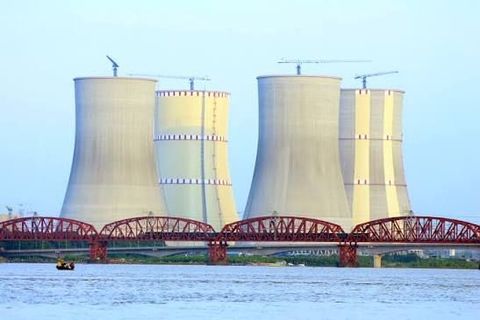
The Rooppur Nuclear Power Plant is the country's first nuclear electricity project, located beside the Padma River in Pabna District. It uses Russian-designed VVER-1200 pressurized water reactors and is planned to include two generating units. Understanding its technology, capacity, safety systems, and operating process explains how nuclear energy can contribute to the national electricity supply.
Understanding the Rooppur Nuclear Power Plant
Location and Project Background
The Rooppur Nuclear Power Plant is situated near the town of Ishwardi in Bangladesh's Pabna District, approximately 160 kilometres northwest of Dhaka. The project is being developed through cooperation between Bangladesh and Russia, with the Bangladesh Atomic Energy Commission involved in its implementation and Rosatom's engineering division serving as the main contractor.
Construction of Unit 1 began in November 2017, followed by Unit 2 in July 2018. The project is intended to support Bangladesh's growing electricity requirements and diversify a power system that has historically depended heavily on natural gas. <Cite refs={["turn495797search0","turn495797search1","turn495797search15"]}/>
Current Project Status
Unit 1 reached first criticality on October 11, 2026, and was connected to Bangladesh's national electricity grid on November 17, 2026. Grid connection represents an important commissioning milestone, but it does not automatically mean that the reactor has entered full commercial operation.
Unit 2 remains under construction. Both units must complete the required testing, licensing, and commissioning processes before operating at their intended commercial capacity. <Cite refs={["turn495797search0","turn495797search7"]}/>
Reactor Technology and Capacity
VVER-1200 Reactor Design
Rooppur uses the VVER-1200 reactor, a Russian-designed pressurized water reactor based on the AES-2006 design. It belongs to the Generation III+ category, which incorporates modern engineering and safety features.
A pressurized water reactor uses ordinary water for two main purposes: cooling the reactor core and slowing down neutrons during the nuclear reaction. The water in the primary circuit is maintained under high pressure so that it does not normally boil inside the reactor vessel.
The reactor design selected for Rooppur is based on the V-523 model. Its development draws on operating experience and engineering work associated with earlier VVER reactor designs. <Cite refs={["turn495797search11","turn495797search14"]}/>
Electricity Generation Capacity
The project consists of two reactor units, each designed for approximately 1,200 megawatts of gross electrical capacity. Together, their planned gross capacity is 2,400 MW.
Net capacity refers to the electricity available for supply after accounting for the power used by the plant itself. Unit 1 is listed with a net capacity of approximately 1,080 MW.
| Plant specification | Details |
|---|---|
| Number of reactor units | 2 |
| Reactor technology | VVER-1200 |
| Reactor model | V-523 |
| Gross capacity per unit | 1,200 MW |
| Combined gross capacity | 2,400 MW |
| Unit 1 listed net capacity | 1,080 MW |
| Main contractor | Rosatom engineering division |
| Location | Pabna District, Bangladesh |
The actual electricity supplied to the grid depends on operating conditions, testing, maintenance, and the plant's approved output levels. <Cite refs={["turn495797search0","turn495797search7","turn495797search15"]}/>
How the Nuclear Power Plant Works
The Nuclear Fission Process
A nuclear power plant generates electricity through controlled nuclear fission. Inside the reactor, uranium fuel contains atoms that can split when struck by neutrons. This process releases heat and additional neutrons, allowing a controlled chain reaction to continue.
Control rods help regulate the reaction by absorbing neutrons. Operators and automatic systems monitor reactor conditions to keep the process within approved operating limits.
The heat produced by fission is transferred to water circulating through the primary cooling circuit. This heated water carries energy away from the reactor core.
From Heat to Electricity
Rooppur uses a two-circuit arrangement to transfer heat and produce electricity. The primary circuit carries heated, pressurized water from the reactor to steam generators. There, heat passes to a separate secondary water circuit.
The secondary water turns into steam, which moves through a turbine connected to an electrical generator. As the turbine rotates, the generator converts mechanical energy into electricity.
After passing through the turbine, steam is cooled in a condenser and converted back into water. It can then be returned to the steam generators, allowing the process to continue.
This arrangement keeps the primary reactor coolant separate from the secondary steam circuit under normal operating conditions. <Cite refs={["turn495797search11","turn495797search14"]}/>
Safety Systems and Radiation Protection
Active and Passive Safety Features
Nuclear power plants use multiple safety systems to prevent accidents and reduce their consequences. Rooppur's design includes both active and passive safety features.
Active systems rely on equipment such as pumps, valves, electrical supplies, and control mechanisms. These systems help maintain cooling, regulate operating conditions, and respond to abnormal situations.
Passive systems are designed to perform certain safety functions without depending on continuous external power or direct operator action. The Bangladesh national report to the International Atomic Energy Agency describes passive features intended to help the plant remain in a safe shutdown condition during serious power-loss situations. <Cite refs={["turn495797search12"]}/>
Monitoring and Emergency Preparedness
Monitoring systems measure important operating conditions, including temperature, pressure, water flow, and radiation levels. Automated process control systems support operators by collecting information from plant equipment and presenting it in control rooms.
In October 2026, reports described automated systems installed at both units to monitor thousands of process parameters. These systems are intended to support operational monitoring and decision-making, but they do not replace trained personnel or independent regulatory oversight. <Cite refs={["turn495797search4"]}/>
Safety also involves emergency planning, radiation protection, security arrangements, staff training, and regular inspections. The Bangladesh Atomic Energy Regulatory Authority is responsible for regulatory oversight and licensing.
Importance for Bangladesh's Energy Sector
Diversifying Electricity Generation
Bangladesh has historically relied heavily on natural gas, alongside other sources such as coal, oil, hydropower, and solar energy. Nuclear power adds another source to the national electricity mix.
Once both Rooppur units are fully operating, their combined capacity is expected to make a significant contribution to electricity generation. However, the plant alone cannot resolve every challenge involving fuel imports, transmission networks, power distribution, or electricity demand.
Long-Term Operational Considerations
Nuclear power projects require long-term planning beyond construction. Important considerations include fuel supply, trained personnel, maintenance, radioactive waste management, regulatory inspections, and eventual plant decommissioning.
Rooppur's reactor design includes a planned service life of approximately 60 years, subject to operating conditions, regulatory requirements, and maintenance. Long-term performance will depend on careful management throughout the plant's operating period. <Cite refs={["turn495797search11","turn495797search2"]}/>
Frequently Asked Questions
What type of reactor does Rooppur use?
It uses the Russian-designed VVER-1200 pressurized water reactor, based on the AES-2006 design.
What is the total capacity of Rooppur?
The two units have a combined planned gross electrical capacity of 2,400 MW.
How does Rooppur generate electricity?
Nuclear fission produces heat, which generates steam. The steam turns a turbine connected to an electrical generator.
Is Rooppur Unit 1 connected to the grid?
Yes. Unit 1 was connected to Bangladesh's national grid on November 17, 2026. Grid connection is distinct from full commercial operation.
Conclusion
The Rooppur Nuclear Power Plant represents a major development in Bangladesh's electricity sector. Its two VVER-1200 reactors are designed to provide a combined gross capacity of 2,400 MW, supported by active and passive safety systems. Understanding its technology, commissioning progress, and long-term operational requirements helps explain both the opportunities and responsibilities associated with nuclear electricity generation.
Disclaimer: The information provided in this article is for informational purposes only. We do not make any claims or guarantees regarding the accuracy, reliability, or completeness of the information presented. The content is not intended as professional advice and should not be relied upon as such. Readers are encouraged to conduct their own research and consult with appropriate professionals before making any decisions based on the information provided in this article. This article provides general educational information. Reactor status and technical details can change as commissioning progresses; official updates from Bangladesh's nuclear regulator and the IAEA should be consulted for operational and safety information.