Navigating Your Flight Options and Travel Plans from New Delhi to Tokyo
The journey from New Delhi to Tokyo offers travelers a vibrant mix of culture, technology, and history intersecting at two global capitals.
Whether you're traveling for business, leisure, or cultural exploration, understanding your flight options, navigating major airports, and planning activities upon arrival can significantly enhance your travel experience. This comprehensive guide serves as an educational resource, helping you navigate the essentials for a seamless trip from New Delhi to Tokyo.
Starting your journey in New Delhi, you’ll most likely depart from Indira Gandhi International Airport (DEL), one of the largest and busiest airports in India. It offers world-class facilities and services to travelers, ensuring a comfortable pre-flight experience. The airport features a wide range of amenities, including numerous dining options, shopping areas, and relaxation lounges. When flying internationally, it's recommended to arrive at the airport well in advance of your flight, typically two to three hours prior to departure, to account for checking in, security protocols, and potential immigration procedures.
Several airlines operate flights from New Delhi to Tokyo, providing passengers with a variety of options to suit different scheduling and budgetary needs. Direct flights are available and typically land at either Narita International Airport (NRT) or Haneda Airport (HND), the two major airports serving the greater Tokyo area. Direct flights generally take around 7 to 8 hours, providing a convenient and swift journey. Alternatively, travelers may opt for flights with layovers. While these can be more economical, they significantly extend travel time depending on the location and duration of the stopover. Common layover cities include Singapore, Kuala Lumpur, Bangkok, and Hong Kong.
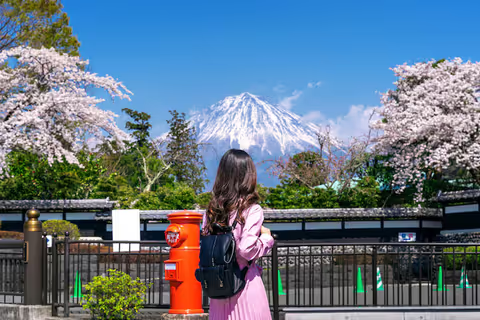
When planning your travel dates, it’s crucial to consider seasonal weather variations in both cities. Tokyo experiences four distinct seasons, with each offering a different travel experience. Spring (March to May) and autumn (September to November) are particularly popular times to visit due to mild weather and natural beauty, particularly the cherry blossoms in spring and vibrant fall foliage in autumn. Summer can be hot and humid, while winter brings a much colder climate. Flight prices and availability can also fluctuate based on the season, with peak tourist months typically seeing higher fares.
Upon selecting your flight, consider the baggage policy of your chosen airline. Each airline has its own set of rules regarding cabin and checked luggage, including weight limitations and fees for excess baggage. Familiarizing yourself with these policies can help avoid any unexpected charges at the airport. Additionally, reviewing the in-flight services offered, such as meal selections, entertainment options, and seating arrangements, can help enhance your comfort during the flight.
Once you arrive in Tokyo, efficient public transportation options are available for easy access to the city center and surrounding areas. From Narita International Airport, travelers can take the Narita Express train for a direct and comfortable journey into central Tokyo, while Haneda Airport offers convenient transit via the Tokyo Monorail or Keikyu Railways. Both airports also have numerous shuttle services and taxi options available.
Exploring Tokyo offers an array of opportunities, from historical sites and cultural landmarks to cutting-edge technology and gastronomy. Iconic attractions like the historic Asakusa district, the bustling streets of Shibuya, and the serene Meiji Shrine provide snapshots of Japan’s rich traditions and modern innovations. Meanwhile, Tokyo's diverse food scene invites visitors to indulge in sushi, ramen, or kaiseki dining experiences, offering an authentic taste of Japanese culinary excellence.
For those wishing to explore beyond Tokyo, consider the regional rail services, such as the Shinkansen, or bullet train, which can quickly connect you to other notable destinations across Japan. Near Tokyo, places like Yokohama, Hakone, and Kamakura offer diverse experiences ranging from coastal views to hot springs and ancient temples. Each location provides a unique perspective on the varied landscapes and cultural heritage of Japan.
When planning your return from Tokyo to New Delhi, it's advisable to check the entry requirements for India, including documentation needed for returning residents and any health-related advisories in place at the time of travel. Staying informed on these procedures ensures a smooth homeward journey.
In summary, a well-planned trip from New Delhi to Tokyo involves careful consideration of flight options, understanding of local weather trends, and thorough preparation for both departure and arrival procedures. By leveraging available resources and planning ahead, travelers can maximize their experience, ensuring a memorable and enriching visit to this dynamic Japanese city.