Custom Engagement Ring Design: An Informative Guide to Styles and Features
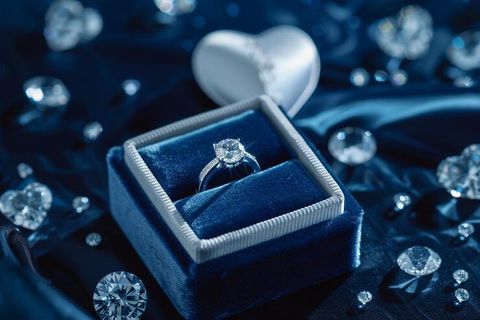
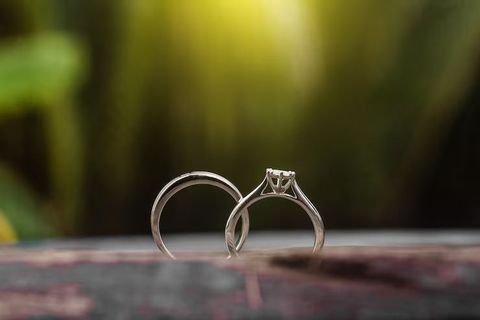
Custom Engagement Ring Design is the process of planning a ring around particular preferences for its gemstone, metal, shape, setting, proportions, and visual details.
Instead of selecting a completely predetermined design, the wearer or couple can participate in decisions about the ring's appearance and construction. The process can involve sketches, computer-aided models, gemstone selection, metal choices, setting methods, and final inspection.
Context
What Is Custom Engagement Ring Design?
Custom Engagement Ring Design combines jewelry design principles with individual preferences. A ring may be developed around a particular gemstone, an existing piece of jewelry, a preferred metal, a symbolic detail, or a specific visual concept.
The process usually begins with a design brief. This may describe the preferred ring shape, gemstone type, metal, approximate proportions, setting style, and personal details. A jewelry designer or craftsperson can then translate these ideas into sketches or digital models.
Historical Background
Engagement rings have developed across many cultures and historical periods. Diamond engagement rings became particularly associated with Western engagement traditions during the twentieth century, while gemstones such as sapphires, rubies, and emeralds have long appeared in ceremonial and personal jewelry.
Modern Custom Engagement Ring Design combines traditional craftsmanship with digital design methods. Computer-aided design allows a three-dimensional model to be examined before physical production, while traditional techniques remain important for metal shaping, gemstone setting, polishing, and finishing.
Main Design Elements
Several components influence the appearance and structure of a custom ring. The central gemstone is one consideration, while the metal, setting, band profile, side stones, surface finish, and proportions also affect the final design.
Common choices include:
- Round, oval, pear, cushion, emerald, princess, and marquise gemstone shapes
- Gold, platinum, and other jewelry metals
- Prong, bezel, halo, channel, and pavé settings
- Plain, engraved, textured, or patterned bands
- Single-stone, three-stone, halo, and side-stone arrangements
The design needs to balance appearance with physical structure. A ring intended for frequent wear requires appropriate support around the gemstone and sufficient strength in the band.
Importance
Personalization and Meaning
Custom Engagement Ring Design can incorporate details connected to a relationship, family history, cultural traditions, or personal symbolism. Engraving, particular gemstone choices, unusual band shapes, or references to meaningful objects can become part of the design.
Personalization does not necessarily require a complex structure. A relatively simple ring can still have individualized proportions, engraving, metal selection, or gemstone placement.
Practical Wear Considerations
An engagement ring is often worn regularly, so everyday conditions can influence design decisions. Activities involving manual work, frequent contact with hard surfaces, chemicals, or repeated impact may require additional consideration of the ring's setting and materials.
The height of the gemstone is another practical factor. A raised setting can create a particular appearance but may interact differently with clothing or other objects than a lower-profile setting.
Gemstone Selection
Gemstone selection involves more than color and visual appearance. Hardness, durability, clarity characteristics, treatment history, dimensions, and the type of setting can influence suitability for regular wear.
Diamonds are commonly evaluated using characteristics associated with the four Cs: color, clarity, cut, and carat weight. Other gemstones have different grading systems and physical properties, so their evaluation should be based on the characteristics relevant to that particular gemstone.
Metal Selection
Gold, platinum, and other metals have different physical and visual characteristics. Gold may be alloyed with other metals to produce different colors and levels of hardness, while platinum has a distinct density and appearance.
The following table summarizes common design considerations:
| Design element | Common choices | Main consideration |
|---|---|---|
| Center gemstone | Diamond, sapphire, ruby, emerald | Durability and appearance |
| Metal | Yellow gold, white gold, rose gold, platinum | Color, structure, maintenance |
| Setting | Prong, bezel, halo, pavé | Security and visual effect |
| Band profile | Round, flat, tapered, sculpted | Comfort and proportions |
| Finish | Polished, matte, brushed, textured | Surface appearance |
| Personal detail | Engraving, symbols, motifs | Meaning and identification |
Budget Planning
Financial planning is an important part of jewelry design, but a ring's final price depends on numerous variables. These can include metal type and quantity, gemstone characteristics, design complexity, labor, setting technique, and additional stones.
A written design specification can help separate major components and make comparisons easier. It can also clarify which elements are fixed and which may change during the design process.
Recent Updates
Digital Jewelry Design
Computer-aided design has become an increasingly important part of Custom Engagement Ring Design. Three-dimensional models can show the relationship between the gemstone, setting, and band before physical production begins.
Digital files can also support precision manufacturing processes. Depending on the workflow, a model may be converted into a pattern, wax form, or digital manufacturing file.
Three-Dimensional Visualization
Three-dimensional visualization allows users to examine a ring from multiple angles. This can make it easier to understand proportions that may not be obvious from a two-dimensional sketch.
Some design workflows also use digital rendering to illustrate different metals, gemstone shapes, surface finishes, or setting arrangements. These visualizations represent design concepts and may differ from the appearance of the completed physical ring.
Laboratory-Grown Diamonds
Laboratory-grown diamonds have become more visible within the jewelry market. They have essentially the same chemical composition and crystal structure as natural diamonds, although their origins differ.
Identification and disclosure are important because consumers may want to understand whether a diamond is laboratory-grown or naturally formed. Gemological documentation can provide relevant information about a diamond's characteristics and origin category.
Traceability and Material Information
Jewelry buyers increasingly encounter documentation relating to gemstone origin, treatment, laboratory-grown status, recycled metals, and responsible sourcing. The type and availability of documentation varies according to the material and supplier.
For valuable gemstones, independent gemological reports can provide information about identity and characteristics. Such documentation should be reviewed alongside the actual stone and relevant transaction records.
CAD and Manufacturing Integration
Digital design is increasingly connected with casting, computer-controlled machining, laser processes, and other manufacturing methods. This can improve consistency between a digital model and a physical component when appropriate production controls are used.
Traditional hand-finishing remains relevant because many rings require detailed setting, polishing, adjustment, inspection, and other craftsmanship after the main structure has been produced.
Laws or Policies
Consumer Information in India
In India, jewelry transactions are influenced by requirements concerning product information, purity, hallmarking, taxation, and consumer protection. The Bureau of Indian Standards administers the hallmarking framework for applicable precious-metal jewelry.
Hallmark-related information can help identify the purity category of applicable precious-metal articles. Requirements can change, so current BIS guidance should be consulted when evaluating a particular piece.
Diamond and Gemstone Disclosure
Gemstone descriptions should accurately identify material characteristics and treatments where relevant. For diamonds, distinctions between natural and laboratory-grown stones are important because they represent different origins.
Documentation from recognized gemological laboratories can provide information about gemstone identity and characteristics. The precise information contained in a report depends on the laboratory and type of examination.
Consumer Protection
India's consumer protection framework establishes general requirements concerning accurate product representation and consumer rights. Jewelry documentation may include details about metal purity, gemstone characteristics, measurements, and other specifications.
For an individual transaction, applicable tax, hallmarking, documentation, and consumer rules can depend on the product and transaction structure. Current government and BIS resources provide the relevant regulatory information.
Tools and Resources
Design Software
Computer-aided jewelry design platforms can create three-dimensional ring models. Designers can use these models to examine proportions, gemstone placement, band thickness, and setting structures.
Gemstone Calculators
Gemstone proportion calculators can help estimate dimensions, carat relationships, and approximate visual proportions. These tools are useful for preliminary understanding but do not replace gemological examination.
Ring Size Guides
Ring-size charts and measurement tools can provide an initial size estimate. Finger dimensions can change with temperature, time of day, and other conditions, so a professional measurement may provide additional information.
Gemological Resources
Recognized gemological organizations publish educational information about diamonds, colored gemstones, grading concepts, treatments, and identification. These resources can help readers understand terminology before reviewing a particular stone.
Design Planning Templates
A simple design worksheet can record:
- Preferred gemstone and shape
- Metal type and purity
- Ring size
- Setting style
- Band width and profile
- Engraving or symbolic details
- Gemstone documentation
- Hallmark information
- Design revisions and final specifications
Keeping these details together can make the design process easier to understand and document.
FAQs
What is Custom Engagement Ring Design?
Custom Engagement Ring Design is a process in which the ring's structure and appearance are developed around particular preferences. It can include decisions about gemstones, metal, setting, band shape, proportions, and personal details.
How does Custom Engagement Ring Design work?
The process commonly begins with a design concept or specification. Sketches or digital models may then be prepared, followed by material selection, design adjustments, physical production, gemstone setting, finishing, and inspection.
Which gemstones can be used in Custom Engagement Ring Design?
Diamonds, sapphires, rubies, emeralds, and other gemstones can be incorporated depending on their physical properties and the intended design. Hardness, durability, treatment, and setting requirements should be considered for regular wear.
What metals are commonly used for engagement rings?
Yellow gold, white gold, rose gold, and platinum are common choices. Their color, density, hardness, alloy composition, maintenance requirements, and compatibility with the selected design can differ.
Are laboratory-grown diamonds suitable for custom ring designs?
Laboratory-grown diamonds can be incorporated into many ring designs. They have essentially the same chemical composition and crystal structure as natural diamonds, while their origin is different and should be clearly documented.
Conclusion
Custom Engagement Ring Design combines personal preferences, gemstone selection, metal choice, structural planning, and jewelry craftsmanship. Digital modeling has expanded the ways designs can be visualized and prepared, while traditional setting and finishing techniques remain important. Gemstone characteristics, metal properties, ring proportions, documentation, and applicable Indian regulations all contribute to understanding a completed ring. Specific material and regulatory details should be verified using current technical and government resources.