Best Restaurants in Dubai: Explore Dining Areas, Cuisines, Ambience and Food Experiences
Dubai has a diverse restaurant scene shaped by its international population, Gulf traditions, tourism, and modern urban development.
Restaurants in Dubai range from Emirati and Middle Eastern dining rooms to Indian, Asian, European, Mediterranean, and plant-focused kitchens. Understanding the different cuisines, dining areas, reservation practices, and local rules can help readers understand how dining in the city varies by location and occasion.
Context
Dubai’s Dining Landscape
Dubai is a major international city in the United Arab Emirates, and its food culture reflects the many communities that live in and visit the city. Traditional Emirati dishes exist alongside cuisines from South Asia, the Levant, East Asia, Europe, Africa, and other regions.
The city’s restaurants are distributed across commercial districts, residential neighborhoods, waterfront areas, shopping destinations, hotels, and entertainment districts. This means that the character of a restaurant can vary significantly depending on where it is located.
Popular dining areas include Downtown Dubai, Dubai Marina, Jumeirah, Deira, Bur Dubai, Business Bay, Palm Jumeirah, and Dubai Creek. Each area has a different mix of restaurants, cafés, hotel dining rooms, and casual food establishments.
Types of Restaurants in Dubai
The phrase restaurants in Dubai covers a wide range of dining formats. Some establishments focus on traditional regional cuisine, while others specialize in a particular international cuisine or combine several culinary influences.
Common categories include:
Emirati and Gulf cuisine
Middle Eastern and Levantine cuisine
Indian and South Asian cuisine
Chinese, Japanese, Korean, and Southeast Asian cuisine
Italian, French, Spanish, and Mediterranean cuisine
Vegetarian and plant-focused restaurants
Cafés, bakeries, and casual dining venues
Hotel restaurants and destination dining venues
The setting can also differ. A restaurant may operate in a shopping center, a standalone building, a hotel, a waterfront development, or a neighborhood street.
Understanding Dining Areas
Location is an important part of choosing a restaurant in Dubai. Downtown Dubai is associated with major attractions and high-rise developments, while Dubai Marina has many restaurants near the waterfront. Jumeirah contains a mixture of residential streets, cafés, beach areas, and restaurants.
Deira and Bur Dubai provide access to older parts of the city and have strong connections with regional and South Asian food traditions. Business Bay contains many contemporary dining locations, while Palm Jumeirah includes restaurants within hotels and resort developments.
Importance
Why Restaurant Choice Matters
Dubai attracts residents, business travelers, families, and tourists throughout the year. As a result, dining preferences can vary widely according to dietary requirements, cultural interests, location, schedule, and occasion.
For visitors, understanding restaurant areas can also make trip planning easier. A restaurant located near a planned attraction may reduce unnecessary travel across the city, particularly during busy periods.
Cuisine and Dietary Considerations
Dubai’s international population means that many restaurants accommodate different dietary preferences. Menus may include vegetarian, vegan, seafood, halal, and other dietary categories, although availability and preparation practices differ between establishments.
Readers should review current menus and restaurant information when dietary restrictions are important. Ingredient information can also vary, particularly for dishes containing sauces, stocks, marinades, or shared preparation areas.
Dining by Occasion
The appropriate restaurant format can depend on the occasion. A casual café may suit a short meal, while a larger dining room may be more appropriate for family gatherings or business meetings.
The following table provides a general way to compare dining environments:
| Dining type | Common setting | Typical purpose |
|---|---|---|
| Casual restaurant | Neighborhood or shopping district | Everyday meals |
| Fine dining restaurant | Hotel or destination district | Formal dining |
| Café | Shopping, residential, or business area | Light meals and drinks |
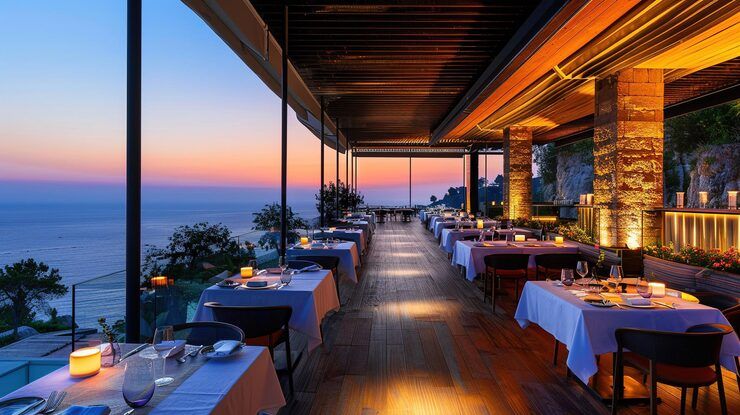
| Waterfront restaurant | Marina, creek, or coastal district | Dining with views |
| Hotel restaurant | Hotel or resort | Guests and visitors |
| Traditional restaurant | Older neighborhoods or cultural areas | Regional cuisine |
| Food hall | Shopping or mixed-use development | Multiple food choices |
Recent Updates
Changing Dining Preferences
From 2024 through 2026, restaurant trends in Dubai have continued to reflect international tourism, changing consumer preferences, and the expansion of mixed-use developments. Restaurants increasingly operate within destinations that combine dining with shopping, entertainment, hospitality, and cultural activities.
Digital menus, online reservation systems, location-based restaurant searches, and electronic payment methods have also become common parts of the dining experience. These tools make it easier for visitors to compare opening hours, menus, locations, and reservation requirements before arriving.
International Cuisine
Dubai continues to have a broad international culinary landscape. New dining concepts frequently draw from different regional traditions, while established restaurants continue to focus on cuisines associated with their culinary origins.
There is also growing attention toward lighter menus, plant-focused dishes, specialty coffee, regional ingredients, and modern interpretations of traditional food. These trends vary by neighborhood and restaurant type rather than representing a single citywide pattern.
Technology and Restaurant Discovery
Restaurant discovery increasingly involves digital maps, reservation platforms, social media, restaurant websites, and review platforms. Readers can use these sources to check current information such as opening hours, menu changes, reservation requirements, and temporary closures.
Because restaurant information can change, checking a current source is particularly relevant before visiting a specific location.
Laws or Policies
Food Safety in Dubai
Restaurants in Dubai operate within the food safety framework established by the authorities of the Emirate of Dubai. Dubai Municipality plays an important role in food safety oversight, including requirements related to food handling, hygiene, preparation, storage, and establishment operations.
Food establishments are expected to follow applicable health and safety requirements. Inspections and regulatory procedures help monitor compliance with food safety standards.
Alcohol Regulations
Alcohol consumption in Dubai is subject to regulations and licensing requirements. Not every restaurant can serve alcoholic beverages, and establishments that do so must operate under the applicable licensing framework.
Visitors should also understand that alcohol-related rules in the UAE differ from those in many other countries. Local laws and regulations apply to residents and visitors.
Dietary and Food Information
Restaurants may provide information about ingredients, allergens, and dietary characteristics, but practices can differ between establishments. People with significant food allergies or dietary restrictions should communicate their requirements clearly and verify relevant information with the restaurant before ordering.
Rules relating to food labeling, hygiene, and preparation can change as regulations develop, so current information from Dubai authorities remains relevant for specific regulatory questions.
Tools and Resources
Restaurant Websites
Restaurant websites can provide information about menus, locations, opening hours, reservation procedures, and dining policies. These details can be useful when planning meals around sightseeing or other scheduled activities.
Digital Maps
Mapping platforms can help identify restaurants by neighborhood, cuisine, distance, and opening hours. They can also show nearby public transport stations, parking areas, and major landmarks.
Reservation Platforms
Online reservation platforms allow readers to check available dining times where participating restaurants use reservation systems. Information can include party size, seating periods, cancellation conditions, and restaurant policies.
Dubai Municipality Resources
Dubai Municipality provides information relating to food safety, public health, and regulatory matters within Dubai. These official resources can help readers understand the broader framework that applies to food establishments.
Restaurant Menus and Review Platforms
Digital menus and review platforms can help readers compare cuisines, meal formats, locations, and recent customer experiences. Reviews represent individual experiences, however, so they should be considered alongside current menus and official restaurant information.
FAQs
What are the best restaurants in Dubai?
The term “best” depends on individual preferences, including cuisine, location, dietary requirements, atmosphere, and dining format. Dubai has restaurants representing many culinary traditions, so comparing these factors provides a more useful approach than using one general ranking.
Which areas have popular restaurants in Dubai?
Downtown Dubai, Dubai Marina, Jumeirah, Deira, Bur Dubai, Business Bay, and Palm Jumeirah are among the city’s major dining areas. Each district has a different combination of restaurants, cafés, hotels, and food destinations.
What types of cuisine can visitors find in Dubai restaurants?
Visitors can find Emirati, Gulf, Middle Eastern, Indian, South Asian, Chinese, Japanese, Korean, Southeast Asian, Italian, French, Mediterranean, and many other cuisines. Vegetarian, vegan, seafood, and halal food options are also available at various establishments.
Do restaurants in Dubai require reservations?
Reservation requirements vary by restaurant, day, time, and venue type. Some restaurants accept walk-in guests, while others use advance reservations, particularly during busy periods or for specific dining areas.
Are restaurants in Dubai regulated for food safety?
Yes. Food establishments in Dubai operate under applicable food safety and public health regulations, with Dubai Municipality playing an important role in oversight. Requirements cover areas such as food handling, hygiene, storage, preparation, and establishment operations.
Conclusion
Restaurants in Dubai reflect the city’s international population, tourism industry, regional traditions, and rapidly changing urban environment. Dining choices range from Emirati and Middle Eastern cuisine to South Asian, Asian, European, and contemporary food concepts across districts such as Downtown Dubai, Jumeirah, Deira, and Dubai Marina. Current restaurant information can vary, making menus, maps, reservation platforms, and official sources useful for understanding specific venues. Food safety, licensing, and other regulatory requirements also form an important part of Dubai’s dining environment.