Industrial Compressor Manufacturing: Explore Key Basics, Types, and Production Methods
Industrial compressor manufacturing is the process of designing and producing machines that increase the pressure of gases, most commonly air, for use in industrial equipment and production systems.
Compressors are found in manufacturing plants, chemical facilities, food processing operations, energy facilities, refrigeration systems, and many other industrial environments. Their main purpose is to move or pressurize gas so it can perform useful work.
The basic concept of compression has existed for centuries, but modern industrial compressors developed alongside mechanized production and expanding industrial operations. Early systems were relatively simple, while modern equipment incorporates precision-machined components, electronic controls, sensors, cooling arrangements, and monitoring systems.
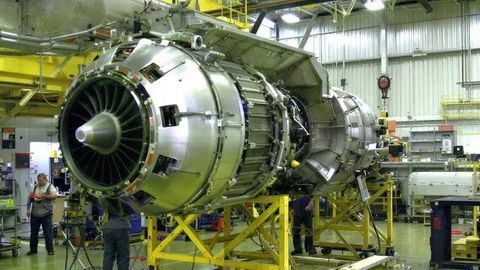
Industrial compressor manufacturing involves several stages, including engineering design, material selection, machining, assembly, testing, surface treatment, and quality inspection. Different applications require different compressor designs because pressure, flow rate, gas composition, temperature, operating hours, and installation conditions can vary considerably.
What an Industrial Compressor Does
A compressor reduces the volume occupied by a gas or increases its pressure by mechanical action. The compressed gas can then be transported through pipelines, stored in vessels, or used directly by industrial equipment.
Common applications include:
- Pneumatic machinery and tools
- Instrument and control systems
- Refrigeration and cooling equipment
- Chemical processing
- Natural gas handling
- Food and beverage production
- Pharmaceutical manufacturing
- Automotive production
- Mining and material processing
Main Compressor Types
Industrial compressor manufacturing covers several mechanical designs. The two broad categories are positive-displacement compressors and dynamic compressors.
| Compressor Type | Basic Principle | Common Applications |
|---|---|---|
| Reciprocating | Pistons compress gas inside cylinders | High-pressure applications |
| Rotary Screw | Rotating screws continuously compress gas | Industrial compressed-air systems |
| Rotary Vane | Sliding vanes change chamber volume | Vacuum and moderate-pressure systems |
| Centrifugal | High-speed impeller increases gas velocity and pressure | Large continuous-flow installations |
| Axial | Rotating blades compress gas through successive stages | Large gas-turbine-related systems |
The appropriate design depends on required pressure, gas volume, operating conditions, efficiency requirements, and maintenance considerations.
Importance
Industrial compressors are important because compressed gases are part of many production processes. A manufacturing line may use compressed air to move components, operate pneumatic equipment, control valves, clean surfaces, or support automated machinery.
Compressors also play a role in refrigeration and temperature-control systems. In these applications, the compressor is a central part of the refrigeration cycle, helping circulate and pressurize the refrigerant.
Supporting Industrial Operations
A reliable compressed-gas system can influence the consistency of equipment operation. Pressure fluctuations, moisture, contamination, or excessive heat can affect downstream machinery and product processes.
Industrial compressor manufacturing therefore focuses on several technical factors:
- Pressure range
- Gas flow capacity
- Temperature management
- Lubrication requirements
- Vibration control
- Noise management
- Material compatibility
- Energy consumption
- Inspection and testing
For gases other than ordinary air, material compatibility becomes particularly important. Certain gases can react with metals, seals, lubricants, or coatings. Compressor construction must therefore account for the properties of the gas being handled.
Energy and Environmental Considerations
Compressing gas requires mechanical energy, and a significant portion of that energy can become heat. Compressor design therefore includes methods for cooling and controlling operating temperatures.
Modern systems increasingly use variable-speed drives, improved motor technology, optimized compression stages, and electronic controls to manage energy use. Heat recovery can also be considered in some industrial installations where recovered heat has a practical application.
Recent Updates
Industrial compressor manufacturing is evolving alongside automation, digital monitoring, improved materials, and energy-management practices. Manufacturers are increasingly incorporating electronic sensors and control systems into compressor packages to provide information about operating conditions.
Digital Monitoring and Controls
Sensors can monitor pressure, temperature, vibration, motor conditions, oil conditions, and other operating parameters. Data from these sensors can be displayed through control panels or connected industrial monitoring platforms.
Digital monitoring can help operators identify changes in operating behavior. For example, an unusual temperature increase or vibration pattern may indicate that inspection is required.
Variable-Speed Technology
Variable-speed drives allow compressor motors to adjust their operating speed according to changing demand. Instead of operating at one fixed speed continuously, the compressor can respond to changes in system requirements.
This approach is particularly relevant where compressed-air demand varies throughout a production cycle. The actual energy results depend on the compressor design, system configuration, operating profile, and control strategy.
Improved Materials and Manufacturing
Manufacturing processes increasingly use computer-controlled machining, automated dimensional inspection, advanced balancing equipment, and improved surface treatments. These methods can support consistent production of components such as rotors, cylinders, impellers, shafts, valves, and housings.
Advanced sealing materials and bearing technologies are also being developed for applications involving higher temperatures, pressures, or specialized gases.
Focus on System Efficiency
Current compressor development increasingly considers the complete compressed-gas system rather than the compressor alone. Air leakage, pressure losses, unsuitable piping, poor controls, and inappropriate operating pressure can influence overall system performance.
This has increased attention toward system-level monitoring, pressure optimization, heat management, and equipment integration.
Laws or Policies
Industrial compressor manufacturing and installation can be influenced by safety, pressure-equipment, electrical, environmental, and workplace requirements. In India, applicable requirements can depend on the compressor type, installation, industry, pressure vessel arrangement, gas handled, and location.
Indian Standards and Regulatory Considerations
The Bureau of Indian Standards (BIS) develops Indian Standards covering various industrial equipment and engineering practices. Relevant standards may apply to compressor construction, testing, materials, electrical components, safety, or associated pressure equipment depending on the specific application.
Pressure vessels and related equipment may also fall under applicable Indian regulations and inspection requirements. Industrial facilities handling compressed gases must consider workplace safety provisions and applicable rules governing hazardous materials.
For electrical equipment, relevant Indian electrical standards and installation requirements may apply. Industrial facilities can also have environmental obligations involving noise, emissions, refrigerants, energy use, or other operational factors.
International Standards
Industrial compressor manufacturers and users may also work with international standards, depending on the application and market. Common technical organizations include:
- ISO for international standards covering engineering and management practices
- ASME for mechanical and pressure-related engineering standards
- API for equipment used in petroleum, petrochemical, and related industries
- IEC for electrical and electronic equipment standards
- ASTM for material testing and characterization
The exact standard depends on compressor type, application, pressure level, gas composition, and installation requirements. Regulatory requirements should be checked against the current rules applicable to the specific facility.
Tools and Resources
Several technical resources help engineers, operators, students, and general readers understand industrial compressors.
Engineering Calculators
Compression-ratio, pressure, temperature, flow, and power calculations can help explain how compressor systems operate. Thermodynamic calculators are particularly useful when comparing different compression conditions.
Manufacturer Documentation
Technical manuals, equipment drawings, maintenance schedules, installation guides, and operating specifications provide information about individual compressor designs. These documents normally identify pressure ranges, flow characteristics, lubrication requirements, temperature limits, and inspection procedures.
Standards Databases
BIS publications can help users identify relevant Indian Standards. International organizations such as ISO, ASME, API, IEC, and ASTM also maintain technical standards related to equipment, materials, testing, and industrial systems.
Monitoring Platforms
Industrial control systems and condition-monitoring platforms can collect information from sensors installed on compressors. Typical measurements include:
- Discharge pressure
- Suction pressure
- Temperature
- Vibration
- Motor current
- Running hours
- Lubricant condition
- Flow rate
Basic Selection Factors
Understanding a few basic parameters makes compressor specifications easier to interpret. A reader reviewing industrial compressor manufacturing information may encounter terms such as pressure ratio, volumetric flow, displacement, efficiency, duty cycle, and compression stages.
The following table provides a simplified overview:
| Parameter | General Meaning |
|---|---|
| Pressure | Force exerted by the compressed gas |
| Flow Rate | Amount of gas moved during a given period |
| Pressure Ratio | Relationship between discharge and inlet pressure |
| Displacement | Gas volume theoretically moved by the compressor |
| Duty Cycle | Pattern of operating and idle periods |
| Cooling Method | Method used to control compressor temperature |
| Lubrication | Method used to reduce friction and component wear |
Understanding these terms helps distinguish between compressor designs intended for different operating conditions.
FAQs
What is industrial compressor manufacturing?
Industrial compressor manufacturing involves designing, machining, assembling, testing, and inspecting compressors used to increase gas pressure in industrial applications. The process covers several compressor types, materials, controls, and operating configurations.
What are the main types of industrial compressors?
Common types include reciprocating, rotary screw, rotary vane, centrifugal, and axial compressors. Each design uses a different compression principle and is suited to particular pressure and flow requirements.
How does industrial compressor manufacturing use modern technology?
Modern industrial compressor manufacturing increasingly uses computer-controlled machining, digital sensors, automated inspection, variable-speed drives, electronic controls, and condition-monitoring technologies. These developments support accurate production and improved operational monitoring.
What standards apply to industrial compressors in India?
Applicable standards depend on the compressor, installation, industry, and gas being handled. BIS standards, along with relevant pressure-equipment, electrical, workplace-safety, and environmental requirements, may apply.
Why is cooling important in industrial compressors?
Compression generates heat, and excessive temperature can affect lubricants, seals, materials, and operating conditions. Cooling systems help control temperature and maintain appropriate operating conditions.
Conclusion
Industrial compressor manufacturing combines mechanical engineering, materials science, precision production, testing, and control technology. Compressors are used across many industries to move and pressurize air and other gases for production, cooling, automation, and process applications. Recent developments have increased the use of digital monitoring, variable-speed control, improved materials, and system-level energy management. Applicable standards and regulations vary according to equipment design, installation conditions, industry, and the gas being handled.