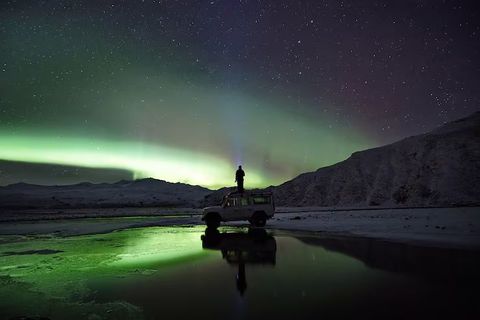
Discover Arctic Aurora Hunts: Key Insights, Details, and Experience Knowledge
Arctic aurora hunts refer to guided or self-planned trips to observe the natural light display known as the aurora borealis, commonly called the northern lights. This phenomenon occurs when charged particles from the sun interact with gases in the Earth’s upper atmosphere, creating glowing waves of green, purple, and red light in polar regions. Arctic regions such as northern Norway, Iceland, Finland, Sweden, Canada, and Alaska are known for frequent aurora activity.
The idea of aurora hunting developed as travelers and researchers began tracking the best locations and conditions to witness this event. Unlike casual sightseeing, aurora hunts often involve traveling to remote areas with minimal light pollution, monitoring weather forecasts, and staying outdoors at night. The experience combines elements of science, geography, and outdoor exploration.
For many people, Arctic aurora hunts provide a structured way to understand and observe a complex natural process. These experiences are shaped by environmental conditions such as solar activity, cloud cover, and geographic latitude.
Importance
Arctic aurora hunts matter because they connect scientific knowledge with real-world observation. For general audiences, they provide an accessible way to learn about space weather, Earth’s magnetic field, and atmospheric science. Observing the aurora can deepen awareness of how solar events influence the planet.
This topic also relates to broader environmental and travel considerations. Arctic regions are sensitive ecosystems, and increased interest in aurora tourism has raised awareness about sustainable travel practices. Visitors are encouraged to respect natural habitats and reduce their environmental impact.
For individuals, aurora hunts address challenges such as planning travel in extreme climates, understanding unpredictable natural events, and managing expectations. Since the aurora is not guaranteed to appear on any given night, participants learn to interpret forecasts and adapt to changing conditions.
Key factors influencing Arctic aurora hunts include:
- Location: Areas closer to the Arctic Circle experience more frequent aurora activity
- Season: Late autumn to early spring provides longer, darker nights
- Weather: Clear skies are essential for visibility
- Solar activity: Increased solar storms often lead to stronger displays
Understanding these elements helps individuals make informed decisions when exploring aurora-related experiences.
Recent Updates
Recent years have seen growing global interest in Arctic aurora hunts, influenced by improvements in forecasting technology and increased awareness through digital media. Advances in space weather monitoring now allow more accurate predictions of aurora activity, helping travelers plan viewing opportunities more effectively.
Another notable trend is the integration of technology into aurora observation. Mobile applications and online platforms now provide real-time updates on geomagnetic activity, cloud cover, and visibility conditions. These tools have made aurora hunting more accessible to non-specialists.
There has also been a shift toward environmentally conscious travel practices. Many Arctic destinations are implementing measures to manage visitor numbers and protect fragile ecosystems. This includes limiting access to certain areas and promoting responsible behavior during nighttime excursions.
Additionally, changing climate patterns have influenced weather conditions in Arctic regions. While the aurora itself is not directly affected by climate change, cloud cover and seasonal variations can impact visibility. This has led to increased emphasis on flexible travel planning.
Laws or Policies
Arctic aurora hunts are shaped by a range of national and regional regulations designed to protect both visitors and the environment. These rules vary depending on the country but generally focus on conservation, safety, and land use.
In many Arctic regions, protected areas such as national parks have specific guidelines for nighttime activities. Visitors may need to follow designated paths, limit artificial lighting, and avoid disturbing wildlife. These policies help preserve natural conditions that make aurora observation possible.
Local authorities may also regulate transportation and access to remote areas. For example, restrictions on off-road driving are common to prevent damage to tundra landscapes. In some locations, permits are required for certain types of organized excursions.
Key policy considerations include:
- Environmental protection: Rules to minimize impact on ecosystems
- Safety regulations: Guidelines for travel in extreme cold and remote areas
- Indigenous rights: Respect for lands traditionally used by local communities
- Light pollution control: Efforts to maintain dark skies for visibility
These frameworks ensure that Arctic aurora hunts remain sustainable and accessible over time.
Tools and Resources
A variety of tools and resources support individuals interested in Arctic aurora hunts. These resources help with planning, forecasting, and understanding the science behind the aurora.
Commonly used tools include mobile apps that track geomagnetic activity and provide alerts when conditions are favorable. Weather platforms offer detailed cloud coverage maps, which are essential for determining visibility. Astronomical websites explain solar cycles and aurora intensity scales.
Below is a simple comparison of commonly used resource types:
| Resource Type | Purpose | Example Use Case |
|---|---|---|
| Aurora forecast apps | Track geomagnetic activity | Checking aurora probability at night |
| Weather platforms | Monitor cloud cover and temperature | Planning viewing locations |
| Light pollution maps | Identify dark sky areas | Selecting observation spots |
| Travel planning guides | Provide regional insights and logistics | Understanding seasonal conditions |
| Astronomy websites | Explain aurora science and solar cycles | Learning how the aurora forms |
In addition to digital tools, physical preparation is also important. Cold-weather clothing, proper navigation equipment, and knowledge of local conditions contribute to a safer and more informed experience.
FAQs
What are Arctic aurora hunts and how do they work?
Arctic aurora hunts involve traveling to high-latitude regions to observe the northern lights. Participants monitor weather and solar activity, then move to areas with clear skies and low light pollution for better visibility.
When is the ideal time for Arctic aurora hunts?
The aurora is typically visible from late autumn to early spring when nights are longest. Dark skies and clear weather conditions are important factors for successful viewing.
Where can Arctic aurora hunts take place?
Common locations include northern parts of Norway, Sweden, Finland, Iceland, Canada, and Alaska. These regions lie within or near the auroral oval, where activity is more frequent.
Do Arctic aurora hunts require special equipment?
Basic equipment includes warm clothing suitable for extreme cold, a flashlight with low brightness, and a camera capable of long-exposure photography. Mobile apps and weather tools are also useful.
Are Arctic aurora hunts affected by weather conditions?
Yes, cloud cover can block the view of the aurora even when activity is high. Clear skies are essential, which is why weather forecasting plays a key role in planning.
Conclusion
Arctic aurora hunts provide a structured way to observe one of nature’s most well-known atmospheric phenomena. They combine scientific understanding with outdoor exploration in polar environments. Factors such as location, weather, and solar activity all influence the experience. With the help of modern tools and responsible travel practices, individuals can better understand and prepare for these unique natural events.